
Warmth Woven in the Mountains

Step into a world where pastures, hands, and weather shape what we wear. Today we explore Reviving Alpine Wool Traditions: From Loden Cloth to Natural Dyes, celebrating resilient fibers, rain-shedding finishes, and plant-born colors. Meet shepherds, millwrights, and dyers; rediscover textures that breathe, age beautifully, and repair with grace. Bring questions, stories, and curiosity as we reconnect garments with place.

From Fleece to Fieldwear: The Life of Alpine Wool
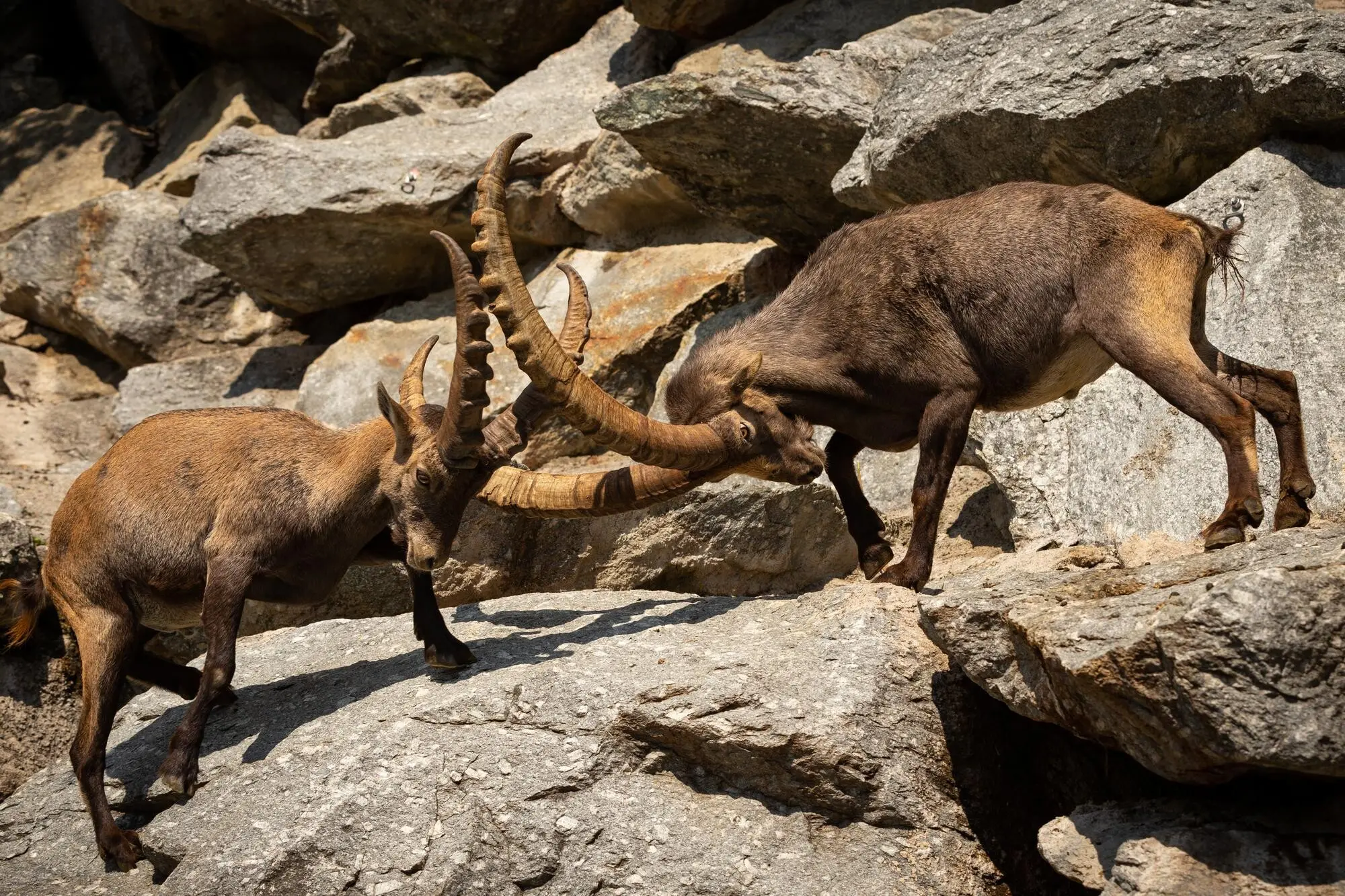
Begin with sheep grazing above the treeline, where sparse herbs toughen fiber and mountain winds teach resilience. Their fleeces carry stories of seasons, clipped in spring, sorted by practiced hands, and guided toward yarns built for work and weather. We follow each quiet transformation, celebrating crimp that traps warmth, lanolin that resists drizzle, and the way humble fibers become trusted companions on muddy paths, forest edges, and long rides to market.
Each breed offers character you can feel: Bergschaf’s sturdy loft for dependable felting, Steinschaf’s heritage strength shaped by rocky slopes, and cheerful Valais Blacknose with soft, expressive locks. Their differences matter when spinning for dense loden jackets or pliant mittens, and understanding fiber mix, staple length, and natural oils helps match pasture-born potential to garments that serve, comfort, and endure season after demanding season.
On shearing day, the barn hums with clipped rhythms and steamy breath. Skilled sorters flick tufts, reading cleanliness, strength, and crimp with swift, confident gestures. Neck wool becomes one pile, backs another, legs a third. This care prevents heartbreak later, ensuring even felting, consistent dye uptake, and fewer surprises at the carder. Respecting the fleece early invites fewer compromises and greater beauty in the final, hard-wearing cloth.
Twist binds potential into purpose. Low-twist singles keep softness, while tighter plies ready threads for abrasion and weather. Woven loosely, cloth seems fragile; then heat, moisture, and patient pressure coax fibers to lock. Each minute of fulling deepens density, quiets surface shine, and turns airiness into armor. The result is loden: hushed against brush, resistant to drizzle, and comfortingly heavy without stiffness during long, cold mountain evenings.

Loden: Dense, Quiet, and Mountain-Proof

Carding Clouds into Cohesion

Carding teases chaos into order, aligning fibers without breaking their will. Batts become rolags, and rolags become a spinner’s delight, drafting smoothly into living threads. Small choices matter: a touch more oil for control, a coarser blend for durability, a finer layer for collars against skin. Card thoughtfully now, and the fulling bath later will reward you with balanced shrinkage, clean edges, and that unmistakable, quiet hand of authentic loden.

The Walkmill’s Rhythm

Imagine wooden mallets lifting and falling while cold mountain water threads through the trough, carrying lanolin’s scent and the ghost of pasture thyme. Time, heat, and motion press friendship between fibers until gaps disappear. Millwrights listened with fingertips, testing thickness, breathability, and spring. Today, we mimic their instincts at smaller scales, adjusting pressure and soap until cloth feels alive, resilient, and remarkably protective without sacrificing movement, drape, or essential comfort.

Patterns Built for Weather

Cutting loden demands restraint and respect. Simple lines let the cloth’s density work, while generous overlaps block drafts at shoulders and vents. Crescent pocket flaps keep maps dry; throat latches quiet wind around the neck. Cuffs face brush and reins without complaint. These are not decorative flourishes but accumulated wisdom, balancing weight and freedom. When patterns honor purpose, every seam helps weather slide away and effort conserve precious warmth efficiently.

Color Grown on Slopes: Natural Dyes of the High Country
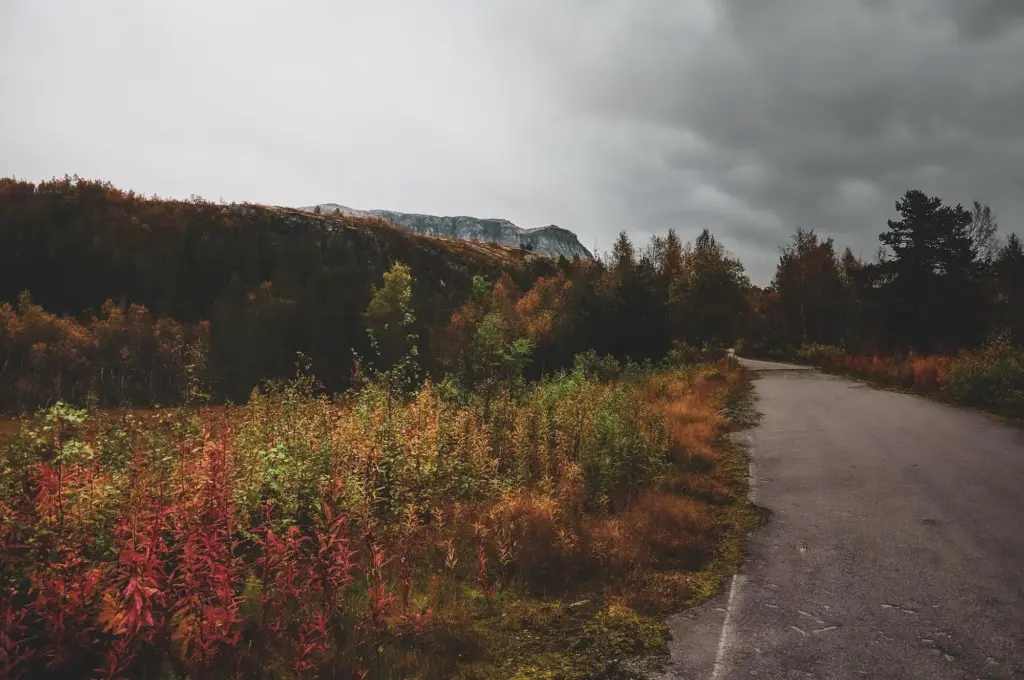
Gathering with Care, Season by Season

Ethical dyeing starts with restraint and knowledge. Harvest no more than a respectful share, preferring invasive or abundant species when possible. Dry plant matter thoroughly to prevent mold, label clearly, and record conditions. Late-summer weld glows truest; walnut hulls bruise hands in early fall. Even onion skins from winter stews build warmth in color. Every gathered handful carries a place’s memory, asking the dyer to steward both beauty and balance.

Mordants, Tannins, and Alpine Water

Ethical dyeing starts with restraint and knowledge. Harvest no more than a respectful share, preferring invasive or abundant species when possible. Dry plant matter thoroughly to prevent mold, label clearly, and record conditions. Late-summer weld glows truest; walnut hulls bruise hands in early fall. Even onion skins from winter stews build warmth in color. Every gathered handful carries a place’s memory, asking the dyer to steward both beauty and balance.

Layering Hues for Depth and Story

Ethical dyeing starts with restraint and knowledge. Harvest no more than a respectful share, preferring invasive or abundant species when possible. Dry plant matter thoroughly to prevent mold, label clearly, and record conditions. Late-summer weld glows truest; walnut hulls bruise hands in early fall. Even onion skins from winter stews build warmth in color. Every gathered handful carries a place’s memory, asking the dyer to steward both beauty and balance.

The Hunter’s Janker and Village Sundays

A short, sturdy jacket carried pockets for twine, knife, and bread, its edges bound for strength, its collar stand proud yet soft against drizzle. On Sundays, polished buttons and a cleaner kerchief transformed the same jacket into respectful attire. This dual life speaks to economy and grace, where care elevates utility into beauty. Share your family’s garments that worked weekdays and shone weekends; their quiet metamorphosis still inspires practical elegance today.

Darning as Pride, Not Concealment

A neat darn advertises stewardship. Swiss darning rebuilds pathways across worn plains, while needle felting patches blend into loden’s fulled surface with surprising discretion. Bright contrast can celebrate milestones; tonal repairs whisper continuity. Keep a jar of clipped yarns, saved selvedges, and tiny offcuts for emergencies. Teach mending at kitchen tables so the next generation sees repair not as shame, but as affection made visible through skillful, thoughtful hands.

Regeneration, Not Nostalgia: Building a Viable Wool Economy

{{SECTION_SUBTITLE}}
Pastures That Nourish Cloth and Soil

Grazing plans shape wool as surely as carders do. Mixed swards encourage healthy growth and natural colors sometimes subtly influenced by diet, while rested paddocks protect roots and watersheds. Shepherding with dogs reduces stress, improving fleece quality. Fewer parasites mean fewer chemical interventions. When buyers ask about land management, they reward better stewardship. The resulting cloth does more than warm bodies; it also carries the scent of meadows managed with care.

Micro-Mills, Apprentices, and Open Doors

Small mills preserve flexibility, turning short runs into cherished fabrics rather than compromises. Apprentices learn by ear and fingertip, catching nuances machines overlook: humidity shifts, finickiness in certain blends, ideal soap for a given spring. Open studio days welcome neighbors to see, touch, and ask. Transparency builds loyalty, and loyalty stabilizes cash flow. Support these spaces with preorders or memberships so looms keep singing and walkmills keep whispering through changing seasons.

Try It Yourself: A Small Loden Pouch and Dye Sampler
Hands remember what eyes forget. This approachable project leads you from scoured fleece to a dense, weather-kissed pouch colored with plant dyes. You will practice gentle fulling, experiment with alum and iron modifiers, and cut clean curves that resist fray. By finishing with sturdy hand stitches, you’ll feel why loden behaves differently from loose felt. Share photos, questions, and timing notes so others can compare results across waters, soaps, and altitudes.
Kentodarisanomexorinolaxi
Privacy Overview

This website uses cookies so that we can provide you with the best user experience possible. Cookie information is stored in your browser and performs functions such as recognising you when you return to our website and helping our team to understand which sections of the website you find most interesting and useful.